
Gambling with World War III: How Trump’s Disregard for International Law May Culminate in Nuclear War
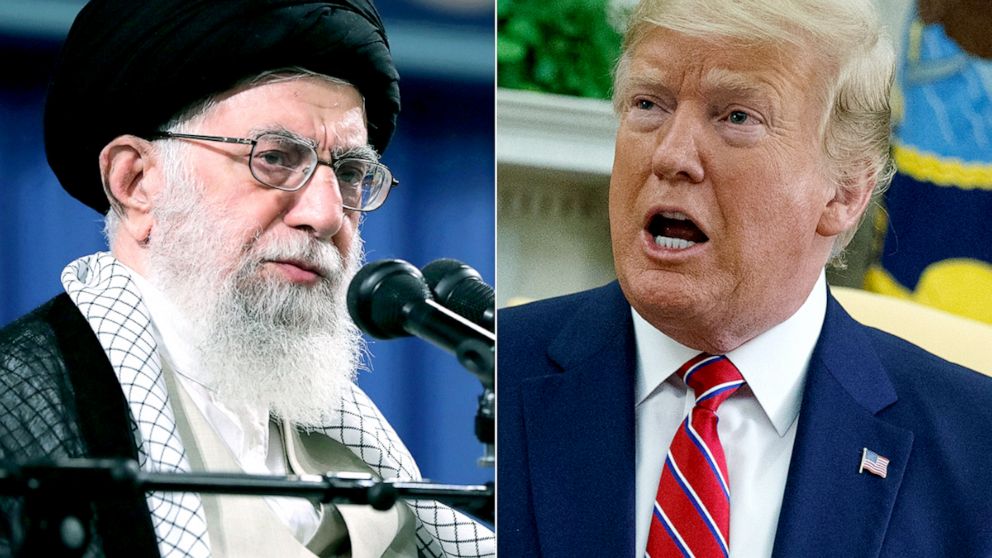
It has been just announced that the US has bombed Iran’s nuclear sites in Natanz, Esfahan, and Fordow, following Benjamin Netanyahu repeatedly asking for assistance to finish the military campaign initiated by Israel on June 12th.
This happened on the back of repeated warnings from Iran’s leadership that if the US intervened directly in the conflict, it would retaliate by targeting US bases in the Middle East and closing the Strait of Hormuz, which would in turn cause chaos in the oil markets, potentially leading to an instantaneous financial crash that could rival what the world has seen after the 1929 US stock market crash – the Great Depression.
Notwithstanding is the great escalation potential that could happen as a result, which could see the US retaliating further.
It’s paramount to understand that Israel acted in contravention of International Law, that only allows preemptive strikes if an adversary presents a tangible and imminent threat to a country’s sovereignty, which has been disproven by many accounts and intelligence reports – including Benjamin Netanyahu’s own statement on a TV interview – that all concluded that Iran was not on the cusp of producing a nuclear bomb, nor did it want to do so. On the other hand, Iran has acted in accordance with Article 51 of the UN Charter, that affirms the inherent right of individual or collective self-defense if an armed attack occurs against a United Nations member.
Additionally, the US has no right – under International Law – to dictate if a country can or cannot pursuit Uranium enrichment for pacific purposes. Its actions and rhetoric – when requiring Iran to forego all its Uranium enrichment program – are unequivocally illegal under International Law, and a blatant attempt to bully a sovereign country into submission via gangster-styled, juvenile, and unjustified threats.
Iran is a key strategic partner for China, which could experience massive drawbacks in its energy markets if Iran undergoes regime change. And while the potential oil price spike may be seen as something that will benefit Russia in the short term, it also stands to lose both geo-strategically and militarily with an Iranian regime that has its interests aligned with those of the US’ and Israel.
What that leaves on the table is the potential for direct intervention from either Russia or China (or both), which would likely drag their own regional partners – such as Pakistan and even North Korea – into the conflict.
To state that this move by Donald Trump was irresponsible is a major understatement. While there are many scenarios that this could lead to escalation and a potential direct kinetic engagement between great nuclear powers in the Middle East, the only two scenarios in which that may not happen are: 1) if Iran doesn’t retaliate as it said it would – which would make Iran’s leadership look weakened and could be the trigger for other issues, such as domestic unrest; or 2) if neither China nor Russia intervene – which could result in weakening of both powers if Iran undergoes regime change as a result.
The truth of the matter is that Israel has started a war it cannot finish alone, and Donald Trump is gambling with millions – if not billions – of lives by blindly following Benjamin Netanyahu into the abyss, with seemingly no real strategy behind its actions.
As of the writing of this article, it is still to be seen what will unfold from US’ direct intervention in the war that Israel started on June 12th, but the odds are not looking in favour of peace and stability both for the Middle East, but also for the rest of the world.
The BRICS Portal Team